

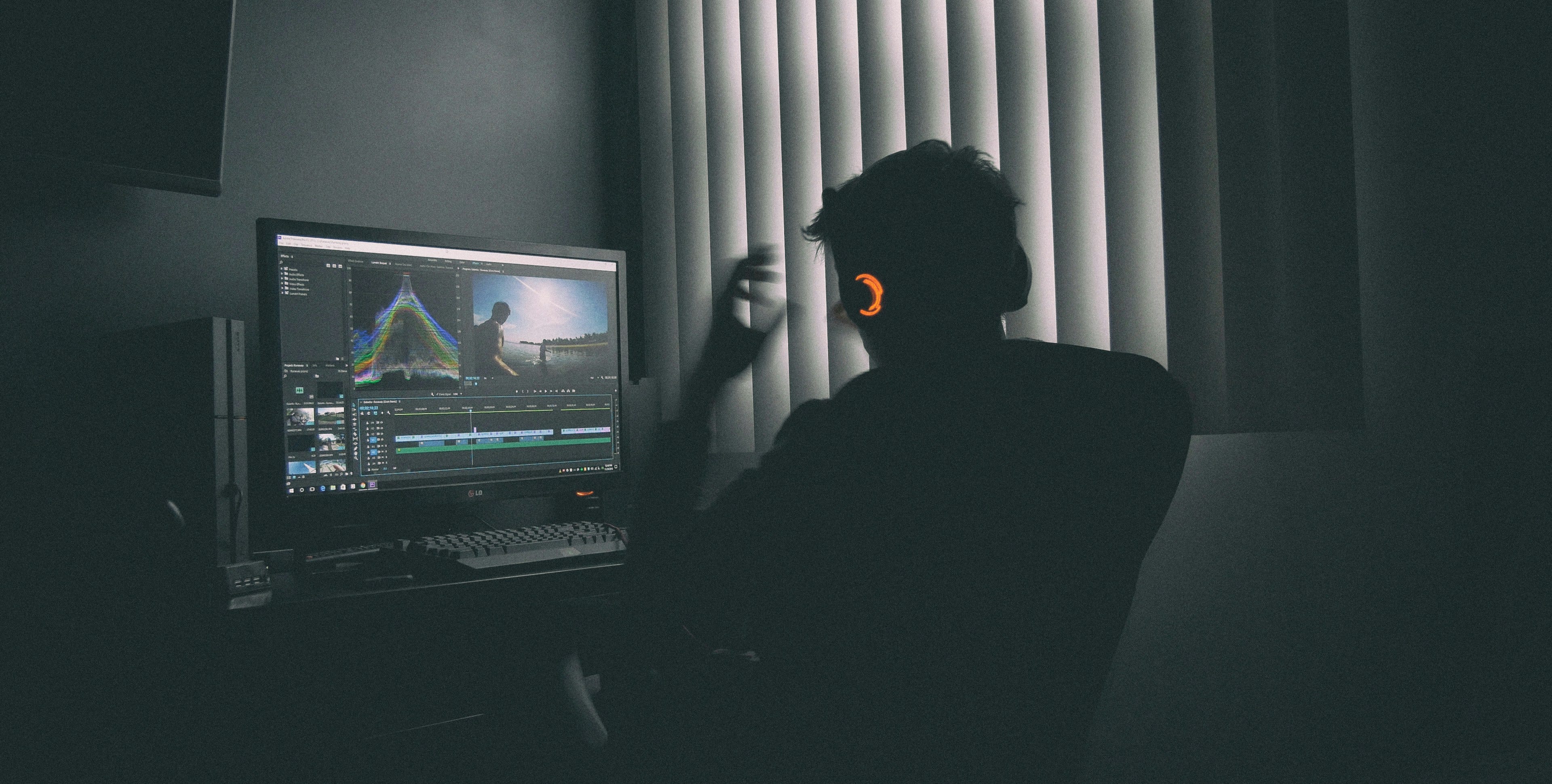
Most creators want more.
What they need is a delete key.
We love starting.
New notebooks.
New plugins.
New frameworks.
New ideas.
Creation feels like movement. You see the word count climb. You see tracks stack. You see commits pushed.
Editing feels like loss. You delete lines. You mute tracks. You remove features.
One feels like progress.
The other feels like regression.
Here is the paradox:
Creation is emotional.
Editing is intellectual.
Only one produces greatness.
Literature: The Draft Is a Feeling. The Edit Is a Decision.
First drafts feel alive. They come fast. They feel honest. They feel urgent.
You sit down to write, and something pours out. It feels true. It feels complete.
It is not complete.
Most writers want to write more. Few want to delete 30 percent.
The draft is where you express yourself.
The edit is about respecting the reader.
Writers like Ernest Hemingway became known for clean prose, not because they wrote less, but because they removed more. The simplicity came from subtraction. Not from lack of thought.
Toni Morrison shaped sentences with precision. The rhythm feels natural. The language feels inevitable. That inevitability comes from discipline.
Readers never see your first draft. They experience your edit.
A bloated paragraph does not feel passionate. It feels unfocused.
A sharp paragraph feels confident. It feels intentional.
Editing is the moment you stop asking, “What do I want to say?” and start asking, “What needs to remain?”
Great writing is invisible editing.
Music: Production Feels Creative. Arrangement Wins.
If you make music, you know this feeling.
You open your DAW. You add a pad. You layer harmonies. You stack drums. You scroll through plugins.
Each addition feels like progress.
Production is fun. It is expressive. It is playful.
Arrangement is discipline.
The most powerful change you can make in a song is often the mute button.
Remove the extra harmony in the verse.
Let the vocal sit alone.
Strip the drums before the chorus.
Space creates tension.
Tension creates impact.
Listen to artists like Frank Ocean. Notice how much room exists in his production. The restraint pulls you closer.
Or think about Prince. Even in dense arrangements, the parts feel intentional. Nothing competes without purpose.
Adding layers feels productive.
Muting layers creates clarity.
More sound does not equal more emotion.
In fact, emotion often increases when distraction decreases.
Arrangement is editing. Editing creates impact.
Technology: Shipping Feels Productive. Refactoring Builds Longevity.
In tech, the bias toward creation is even stronger.
Features ship. Tickets close. Commits stack.
You see visible output.
Shipping code feels like success.
Refactoring feels slow. It feels invisible. It feels optional.
Rename unclear variables.
Remove duplicated logic.
Simplify a bloated function.
Delete an unnecessary abstraction.
None of this looks impressive in a demo.
All of it determines whether your system survives.
Complexity grows through addition.
Quality grows through subtraction.
A messy codebase is often unedited thinking.
You wrote something that worked. You left it. You built on top of it. Then you built on top of that.
Now every change breaks something else.
Deleting code improves systems. Clean architecture is structured editing.
The best developers do not worship output. They respect clarity.
Why Editing Feels So Hard
Editing requires humility.
When you delete a paragraph, you admit it was not essential. When you mute a track, you admit it did not strengthen the song. When you remove a feature, you admit it distracted from the core.
We confuse effort with value.
You spent two hours writing that section.
You spent money on that plugin.
You spent a week building that feature.
Time invested does not equal necessity.
Editing asks a painful question.
“If this disappeared, would the work suffer?”
If the answer is no, it must go.
Most creators avoid editing because creation feels like identity. Editing feels like critique.
But editing is not self-rejection. It is self-respect.
The 30 Percent Rule
Here is a practical discipline you can adopt today.
After you finish anything:
1. Step away for 24 hours.
2. Return with distance.
3. Remove 30 percent.
Kill your darlings.
Cut lines that repeat the same idea.
Mute layers that clutter the message.
Delete code that complicates the system.
Ask yourself three questions:
Does this move the idea forward?
Does this strengthen the core?
Would I miss this if it vanished?
If not, remove it.
Apply this to:
Your essays.
Your songs.
Your code.
Your business offers.
You will feel resistance. That resistance is attachment.
Attachment is not excellence.
The Real Shift
Most creators want:
More features.
More plugins.
More words.
More frameworks.
What they need:
Fewer words.
Fewer layers.
Fewer abstractions.
Fewer distractions.
Tools increase output. Editing increases quality.
Creation starts the work. Editing finishes it.
If you want your writing to stand out, cut harder.
If you want your music to hit deeper, mute more.
If you want your systems to scale, delete aggressively.
Greatness is often hidden in what you remove.
The delete key is not an enemy of creativity.
It is the instrument of refinement.
And refinement is where professionals separate from hobbyists.
Today, open something you made.
Do not add.
Remove.
I’m realizing how often I’ve stacked layers just because it felt like progress. Moving forward, I’m going to be more intentional. Sit with the mute button longer, strip back the verse before I add anything new and actually try the 30% cut instead of just thinking about it. I want the songs to breathe more. Thank you Idris Elijah for consistently putting out thoughtful work like this. Your writing always gives me something concrete to bring back into the studio!
As a mom it’s so easy to keep adding more activities, more plans and more pressure to do it all because it feels like being a good parent. But the moments that matter most with my daughter usually happen when I clear space and just let things be simple. I’m going to try applying that 30% rule at home too. Fewer commitments, fewer distractions, more presence. Thank you Idris Elijah for the steady and thoughtful content. It always gives me something real to bring into my everyday life!