
The Silent Killer of Good Writing

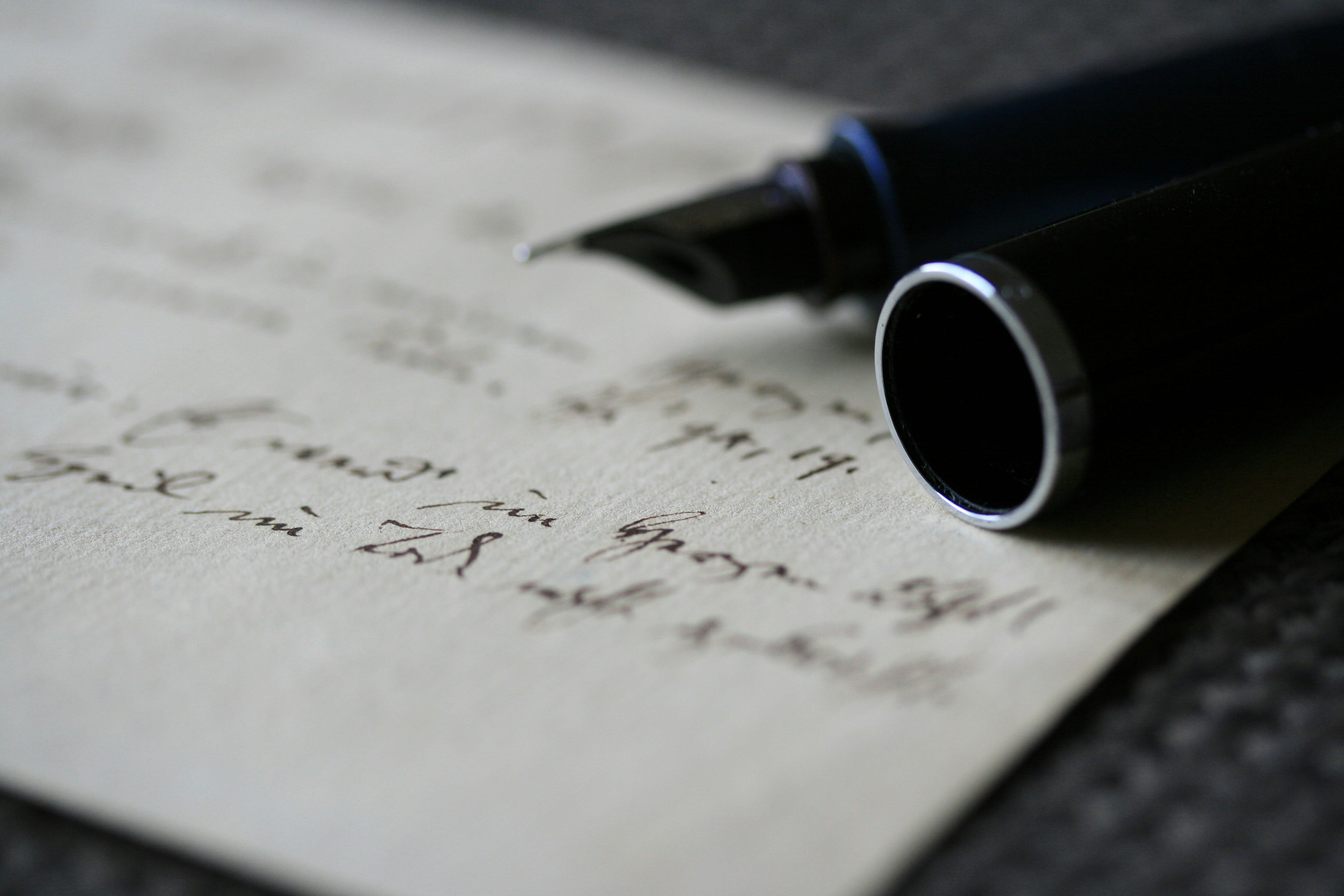
The best writers are not verbose.
They are precise.
Most drafts are not weak because the ideas are bad. They are weak because the meaning is diluted. Too many explanations. Too many safe clarifications. Too much protection for the reader.
You do not need more words.
You need compression.
Narrative compression is the skill of packing emotional weight, thematic depth, and character movement into the smallest possible space. Not to be short for the sake of being short. But to be dense.
Long feels productive.
Dense feels powerful.
And power wins.
I learned this lesson the hard way when I ran some of my old short stories through ChatGPT for feedback.
To put it lightly, ChatGPT lit me a new one.
It informed me that much of my earlier writing was repetitive in theme and emotion, that my blocking was sometimes off, and that much of what I wrote was verbose.
Not to give ChatGPT too much credit, but that experience opened my eyes to the importance of compression in writing.
Why say in many words what you can say in a few.
The Difference Between Length and Weight
You have read a 300-page novel where nothing truly shifted.
You have also read a five-page short story that left you silent.
Length measures pages.
Weight measures consequence.
Narrative compression focuses on consequence.
Instead of writing:
He was disappointed because his father never came to his games.
You write:
He stopped checking the stands by fourteen.
The second line does more work. It shows time. Repetition. Resignation. Loss. Maturity forced too early.
One sentence carries a relationship.
That is compression.
Trust the Reader
Writers who overexplain often do so out of fear.
Fear of being misunderstood.
Fear of subtlety.
Fear of silence.
But subtlety creates participation.
Look at Ernest Hemingway and his iceberg theory. Most of the story sits beneath the surface. You feel the weight of what is not stated.
Look at Raymond Carver. His characters rarely say what they mean. The tension lives between lines.
Look at Toni Morrison. Her sentences carry history inside them. She compresses generational trauma into single images.
These writers do not underwrite. They compress.
They remove explanation and preserve implication.
When you compress:
You increase reader participation
You increase emotional ownership
You increase tension
Your reader fills in the gaps. And what a reader fills in feels personal.
When I first started writing, this concept was never on my radar.
Now that it is, it’s a relief, because I don’t have to write pages of exposition where one paragraph and some memorable scenes would do better.
The whole “show, don’t tell” adage is multi-faceted in that way.
Why Compression Hits Harder
Your brain hates unfinished patterns.
When something is implied, your mind tries to complete it. If you spell everything out, you remove the work. You flatten the experience.
When you compress:
You create cognitive engagement
You create discovery
You create space
Most creators believe clarity means adding context.
Often, clarity means cutting commentary.
If a sentence works without explanation, remove the explanation.
If a scene works without backstory, remove the backstory.
If a paragraph repeats the emotional beat, delete it.
Compression is disciplined restraint.
Music Already Knows This
If you produce music. You know this instinctively.
A song with twenty tracks often sounds weaker than a song with eight focused elements.
Listen to Frank Ocean. Sparse production. Open space. Emotional clarity.
Listen to Adele. One vocal line. One piano. Direct delivery.
Remove a harmony and the melody sharpens. Mute an instrument, and the hook breathes. Cut a lyric, and the remaining line becomes memorable.
In songwriting, compression creates impact through subtraction.
Arrangement is editing.
Production is compression.
The same principle applies to prose.
Technology Lives on Compression
If you code, you know what bloated files feel like.
Long functions. Repeated logic. Over-engineered architecture. More lines do not equal better systems. Refactoring reduces cognitive load.
Deleting unused code increases clarity. Clear interfaces scale. Messy systems collapse.
In technology, compression improves performance.
In writing, compression improves resonance.
Both reward intentional reduction.
The Narrative Compression Test
Use this on your next draft.
Ask yourself:
Does this sentence move plot, deepen character, or sharpen theme?
Can implication replace explanation?
Can two sentences become one?
Is this emotional beat repeated elsewhere?
What happens if I cut twenty percent?
Cut first. Evaluate second.
Do not edit by rearranging. Edit by removing.
You will feel resistance. That resistance often signals attachment, not necessity.
Detach from your favorite sentences. Protect the story instead.
The Paradox
The more you remove, the more your story expands.
Compression creates space.
Space creates resonance.
Resonance creates impact.
Writers often chase more tools, more techniques, more words. But your most powerful narrative tool is your delete key.
You do not need to write longer.
You need to write more densely.
If your story feels flat, stop adding.
Start compressing.
Reading this as someone who makes music, the connection to arrangement made perfect sense. Sometimes the moment a track really comes alive is when you mute something.You think the emotion comes from adding layers but a lot of the time it shows up when you clear space and let the core idea breathe. That same instinct translating to writing was interesting to see laid out so clearly. I appreciate the perspective in this really good piece Idris Elijah! Enjoy your weekend!
I’ve always liked editing and deleting but this gave language to why it works. The example about the kid stopping checking the stands by fourteen… that says more than a whole paragraph of explanation ever could. It made me think about how often we over-explain because we’re nervous the point won’t land. But the lines that stay with people usually leave a little space for the reader to step in. Really enjoyed this one. It made me want to go back through things I’ve written and see what gets stronger when I take things away. Thank you Idris for another thoughtful issue and Happy Friday!