
You’re Not Bad at Reading. You’re Reading Without a Question.

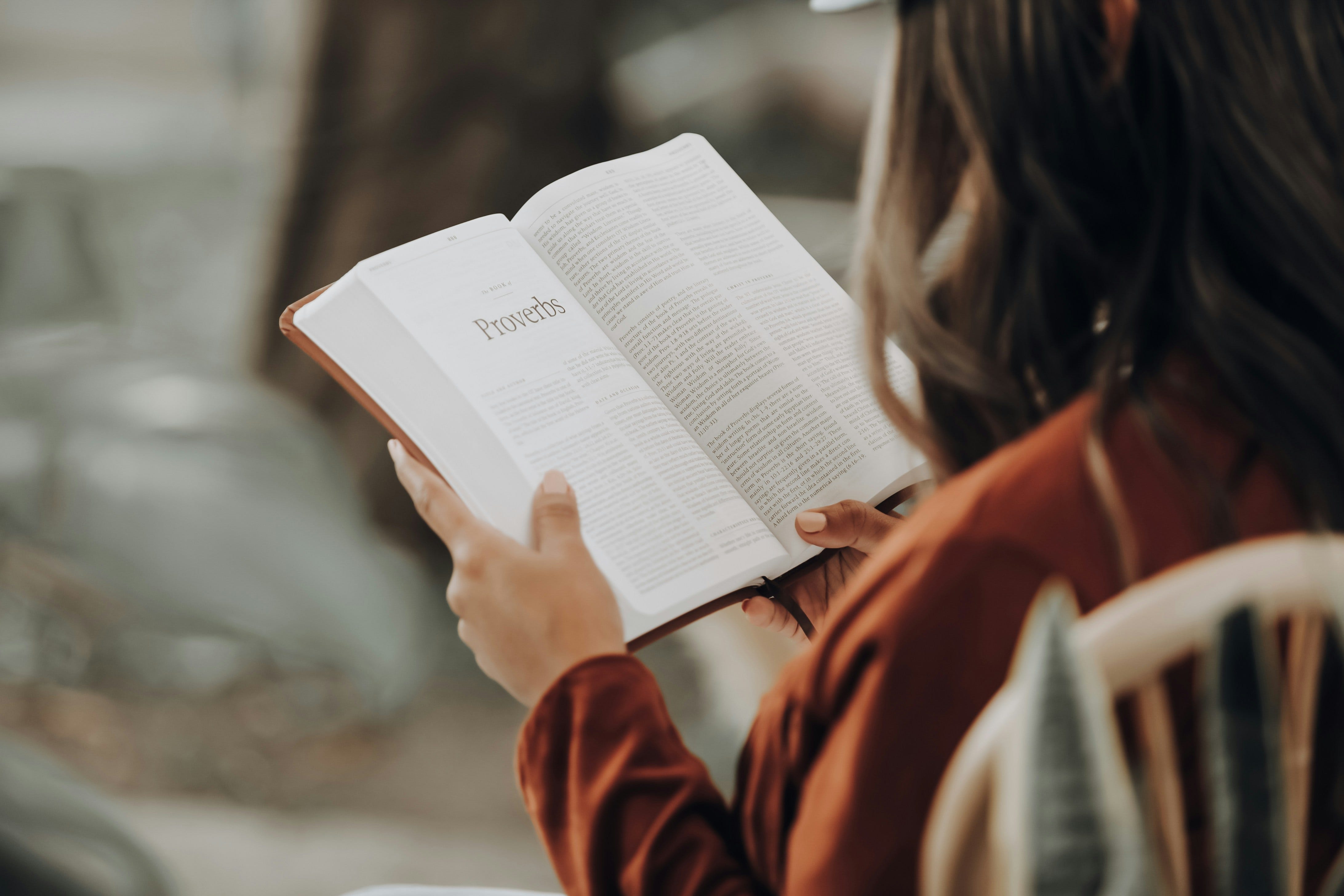
You finish the book.
You enjoyed it. You remember the feeling of it. Maybe you underlined a few sentences. Maybe one scene stayed with you for a day or two.
Then a week passes.
Someone asks what you thought, and suddenly the book becomes foggy. You remember the vibe more than the argument. The mood more than the movement. The title more than the transformation.
So you blame your attention span.
You tell yourself you need to focus more. Read slower. Take better notes. Stop checking your phone. Build a more serious reading habit.
Maybe some of that is true.
But I don’t think that’s the real problem. Most people are not bad at reading. They are reading without a question.
And when you read without a question, even a great book can pass through you like weather.
Passive Reading Feels Productive
Passive reading is not lazy.
That’s why it is so easy to mistake for real engagement. You’re still turning pages. You’re still highlighting lines. You’re still nodding when the author says something true. You may even feel changed while you’re inside the book.
But passive reading asks only one question:
What is this about?
That question can get you through the plot. It can help you follow the essay. It can help you understand the basic subject of a poem, a chapter, or a scene.
But it usually won’t help you retain what matters.
Because the deeper value of reading is not just knowing what a book is about.
It is knowing what the book is helping you see. A novel can show you how desire works. An essay can show you how an argument moves. A poem can show you how much emotion one image can hold.
But only if you enter with a question sharp enough to catch the lesson.
Without a question, you collect impressions.
With a question, you collect insight.
The Book Changes When The Question Changes
The same book becomes a different teacher depending on what you ask from it.
If you read a novel asking, “What happens next?” you’ll follow the plot.
If you ask, “Why do I understand this character even when I disagree with them?” you’ll start studying empathy, contradiction, and motivation.
If you ask, “How did the writer make this scene feel inevitable?” you’ll start noticing structure.
If you ask, “What part of me is uncomfortable with this?” you’ll start reading the book as a mirror.
That is the shift.
A question turns literature into three things at once:
A mirror, because it reveals something about you
A mentor, because it shows you a way of seeing
A craft lesson, because it teaches you how the writer made meaning move
This is why two people can read the same book and walk away with completely different value. One person consumed the story. The other person entered with a problem their mind was trying to solve.
You don’t retain what you read.
You retain what your mind is trying to solve while you read.
The Three Questions Worth Bringing To A Book
You don’t need a complicated note-taking system.
You need a better entry point.
Before you read, choose one kind of question.
1. The Mirror Question
Use this when you want the book to reveal something about your inner life.
Ask:
What part of me does this character expose?
What truth am I resisting here?
Where do I recognize myself in this conflict?
What does this story make harder for me to ignore?
This is how literature becomes personal without becoming self-absorbed.
You are not forcing the book to be about you. You are letting the book show you where your life has been quietly rhyming with someone else’s.
2. The Mentor Question
Use this when you want the book to teach you how to live, decide, or perceive.
Ask:
What does this writer understand that I don’t?
What does this book make clearer about fear, ambition, love, power, grief, or discipline?
What decision would this book challenge me to make?
What pattern in my life does this clarify?
This is how reading becomes growth.
Not because every book gives advice, but because serious literature trains attention. It teaches you to notice motive, consequence, contradiction, and cost.
A good book may not tell you what to do.
But it can make it harder to lie about what you’re doing.
3. The Craft Question
Use this when you want the book to make you a better writer.
Ask:
How did the writer make me care?
Where did the tension begin?
Why did this sentence land?
What made this scene feel alive?
What would I borrow structurally, not stylistically?
That last part matters.
The point is not to imitate someone’s voice. The point is to study their decisions.
A writer’s voice is not magic dust. It is a trail of choices.
What they reveal.
What they withhold.
Where they slow down.
Where they cut.
What they trust the reader to feel without explaining.
When you read with a craft question, every book becomes an apprenticeship.
The Active Reading Stack
Here’s the simple version.
Before you read, choose one question.
Not ten. One.
Mirror: What is this going to reveal about me?
Mentor: What am I trying to learn from this?
Craft: What skill am I studying here?
While you read, mark only three things:
A line that answers the question
A moment that complicates the question
A passage you want to imitate, challenge, or remember
After you read, write three sentences:
This book showed me...
The part I’m still thinking about is...
I can use this by...
That’s it.
The goal is not to build a museum of notes you’ll never revisit. The goal is to leave the book with one usable insight.
One sharper sentence.
One better question.
One clearer pattern.
One small change in how you write, choose, or pay attention.
That is enough.
Reading Should Change Your Output
If you’re a writer, reading cannot only be an escape. It has to become training.
That doesn’t mean you should ruin every novel by dissecting it to death. There is still a place for pleasure. There is still a place for getting lost. Sometimes the best thing a book can do is remind you that language can still make the world feel charged.
But if you keep reading and nothing changes in your own work, you may be stopping too early.
Don’t just ask, “Did I like this?”
Ask:
What did this writer notice that I usually miss?
How did they create movement?
Why did this ending feel earned?
What emotion did they refuse to simplify?
What kind of honesty would I need to write like this?
That is where reading becomes creative fuel.
Not because you copy the book, but because the book raises your standard of attention.
The Next Book You Read
The next time you open a book, don’t start by asking what it’s about.
Ask what you need it to help you see. Read with that question in the room.
Let it follow you from chapter to chapter. Let it change as the book resists you. Let it sharpen when a sentence makes you uncomfortable.
A book can entertain you without a question.
But it probably won’t transform you without one.
And maybe that is the real difference between finishing books and being formed by them.
One gives you a record of what you’ve read. The other provides evidence that you are learning to see.
My daughter and I have been learning how to dance together and this made me see that we usually end up talking about what we got wrong instead of what we learned. Next week I think I’m going to ask her one better question after we finish and see where the conversation goes. I like how a newsletter about reading can help improve my parenting skills. Thank you for sharing these insights with us Idris Elijah!
Good point made here that creating and observing aren’t really separate skills. The question you bring into a painting changes what you notice, just like it changes what you take from a book. Some days I get caught up in color or technique but other days it’s the emotion or the composition that stays with me. I like the idea that there isn’t one right way to look at art. Sometimes all it takes is asking a better question before you begin. I hadn’t considered that perspective before. Thank you Idris Elijah for another thoughtful read and I echo what Chloe said about more short stories!