

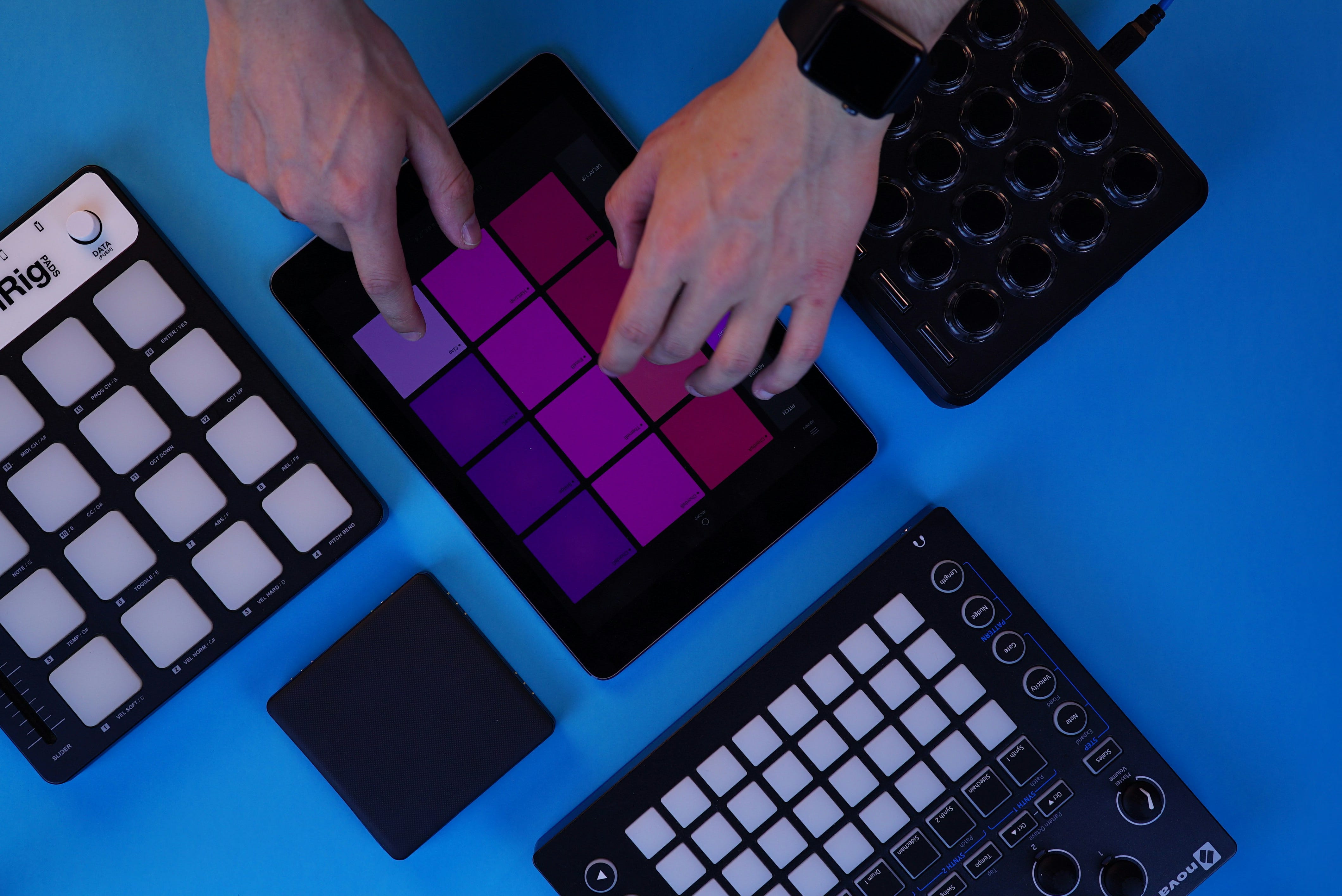
Every creative era worships its tools.
New software promises speed. New systems promise scale. New machines promise polish. The promise stays the same across music, writing, and technology. Better tools will raise the quality of the work.
The paradox sits in plain sight. Tools increase output, and taste defines quality.
This confusion drives frustration across creative fields. People upgrade workflows while avoiding judgment. They optimize speed while neglecting standards. The work multiplies. The work rarely improves.
When I first learned to produce, I found myself obsessing over plug-ins and layers. The more the better, right?
But I was missing the point.
Modern tooling enabled me to move quickly.
Music Moves Faster, Taste Decides
Digital audio workstations remove friction.
Infinite tracks. Instant undo. Total recall. You build a song without touching tape or waiting for silence.
None of this improves melody.
A weak chord progression stays weak inside any DAW. A crowded arrangement stays crowded after expensive plugins. Compression hides nothing from a trained ear. Reverb decorates poor decisions rather than correcting them.
Taste chooses restraint. Taste selects moments. Taste removes notes rather than adding layers. Tools amplify decisions already made.
Producers with strong taste finish fewer songs. Producers chasing tools finish more files. Output rises either way. Quality follows judgment alone.
This pattern repeats everywhere.
Writing Accelerates, Voice Stays Personal
Writing tools follow the same path.
Word processors remove friction. Editing software flags errors. AI suggests phrasing. Pages fill faster than ever.
Voice does not improve by default.
Clear prose emerges from choice. Sentence length. Rhythm. Omission. Focus. No tool selects meaning for the writer. No system decides emphasis. Drafting faster exposes habits rather than fixing them.
Editors sharpen strong writing. Editors reveal weak thinking. Tools magnify intent rather than supplying insight.
Writers often confuse fluency with clarity. Speed creates confidence. Confidence hides weak structure. Taste surfaces only through rereading and cutting.
Better tools raise volume. Judgment shapes voice.
Technology Ships Faster, Thinking Matters More
Software development celebrates velocity.
Frameworks scaffold structure. Libraries handle complexity. Deployments happen in minutes.
Architecture still decides longevity.
Poor assumptions ship faster inside modern stacks. Fragile systems scale rapidly. Complexity spreads at machine speed. Technical debt compounds behind clean interfaces.
Strong engineers design before coding. They choose constraints. They remove features. They resist cleverness. Tools accelerate execution after thinking finishes.
Speed magnifies direction. Bad direction reaches users sooner.
Technology rewards taste through restraint. Simple systems age well. Clear boundaries prevent failure. Tools enforce nothing without discipline.
The Illusion of Progress
Across fields, people mistake movement for improvement.
More songs. More essays. More releases. More commits.
The paradox sharpens here. Tools reward action. Taste requires pause. Tools celebrate output. Taste values subtraction.
Creative growth slows once tools dominate attention. People ask which software improves results. Few ask which standards guide decisions.
Taste develops through exposure. Comparison. Reflection. Rejection. Tools remain neutral.
The craft does not change. Judgment matures slowly. Tools compress the time between mistakes.
Where Fundamentals Live
Fundamentals survive every upgrade cycle.
In music, fundamentals live in harmony, rhythm, and silence.
In writing, fundamentals live in clarity, structure, and emphasis.
In technology, fundamentals live in logic, constraints, and design.
Trends promise leverage. Fundamentals demand patience.
People chase leverage first. Results plateau. Confusion grows. More tools enter the stack. Quality stagnates.
The order matters.
Taste first. Tools second.
The Real Advantage
Experienced creators share one advantage.
They know when tools stop helping. They slow down inside fast systems. They remove options inside powerful environments. They impose limits on infinite choices.
This restraint feels inefficient. Output drops. Confidence wavers.
Quality rises quietly.
Tools never define standards. People do.
If this idea resonates, the next set of questions becomes practical.
Where has your toolset grown faster than your judgment?
Where has speed replaced selection?
Where has output increased while standards drifted?
Those answers matter more than the next upgrade.
The paradox holds steady. Tools change output. Taste shapes meaning.
And meaning survives long after software updates stop shipping.
Reading this made me think about how my daughter and I dance around the living room. We don’t need anything fancy, just a song and some space. When I overthink it or try to do it right, the joy disappears. This newsletter feels like that same reminder: tools can help, but they can’t replace attention or care. I really appreciate how clearly you laid that out. Thank you Idris Elijah for writing something that applies to so many fields!
I’ve hidden behind plugins when a chord progression wasn’t doing the job many times. The line about reverb decorating bad decisions made me laugh because… yeah. This reframed taste as the real bottleneck, not gear or software. It makes me want to strip sessions back and trust fewer choices instead of better tools. Thank you Idris Elijah for spelling out these ideas so clearly!